


Welcome to Neuewave!
August has been a special month at Neuemotion. Once a year, in between all of the great work we continue to produce for our clients, we get the opportunity to trade in the virtual office for an IRL week of work, but mostly play. We spent a week in Denver thinking outside the box, enjoying real watercooler chats, and getting to know each other outside of our four virtual walls.
The things that made our retreat so memorable—solidified bonds, unexpected inside jokes, and authentic connections made with people we can relate to—are exactly what it seems the internet is craving right now, too. As the internet feels more and more like a place of soulless consumerism and influencer culture bleeds into our real lives, this month's content is rooted in relatability and joy.
Let’s dive in!
Monotony Fatigue
There was a time online when seeing your favorite influencers at major events was a coveted moment.
What were they wearing? Who were they with? What brand sent them?
But, as the US Open kicks off, we’re seeing a renewed wave of anti-influencer sentiment, driven by similar takeovers of music festivals and an overall growing disillusionment with the culture of creators. As influencers predictably post content about their outfits and experiences at the tennis tournament, we’re also seeing more and more content that ridicules their involvement.
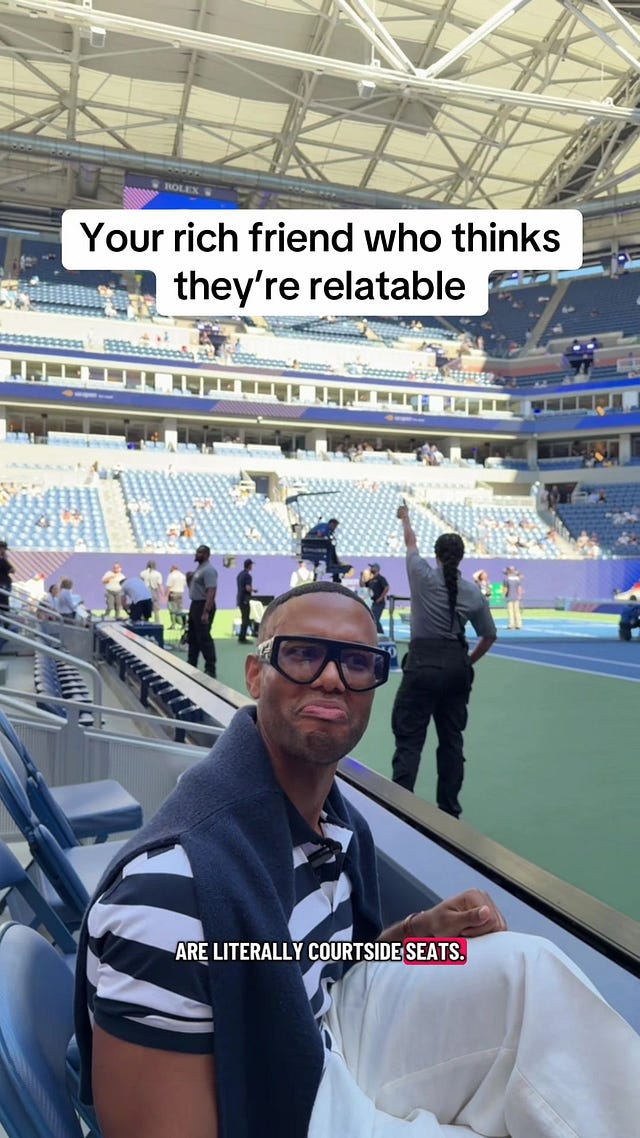
 Tiktok failed to load.
Enable 3rd party cookies or use another browser
While, on the surface, it may seem that the world is simply poking fun at the shallowness of the creator economy, evolving sentiments toward influencers represents the layered issues that plague average consumers today. Director of Strategy at Neuemotion, Carlo Johnson, sums up the world’s complex web between influencers, socioeconomic turmoil, and FOMO:
“There are some events, like the Met Gala or the Oscars, which at their core have always been unattainable to the average person. When people see creators and influencers at Coachella and the US Open portraying an unrealistic experience in spaces that should still ideally be occupied by the true fans, however, it feels like they are being pushed out. And in an economic environment where even basic luxuries are continuously pushed further and further out of reach, this can likely feel like an unwelcome reminder of the life many think they’re being robbed of.”
This sentiment has hit a tipping point. Not just with the public, but the official entities who benefit from their attention, with the USTA releasing a statement condemning influencer behavior, and renowned tennis stars voicing their frustration about the disrespect shown by those in attendance.
How this shows up on social:
Dare we say that “chic” has become the new “whimsy”?
When whimsy took over our social feeds last year, discourse brewed around whether or not things were truly “whimsical” or if “manufactured whimsy” was the consumerist takeover of an aspirational joy that can’t be categorized. But as the debate raged on and the term saturated the internet, “whimsical” began to lose all meaning.
Recently, with the sudden rise of bedazzling objects and skincare products that “infuse whimsy” into people’s lives, the debate rages on: Is it truly whimsical, or a collection of ploys that convince people that they don’t have to organically find whimsy, they can just purchase it?
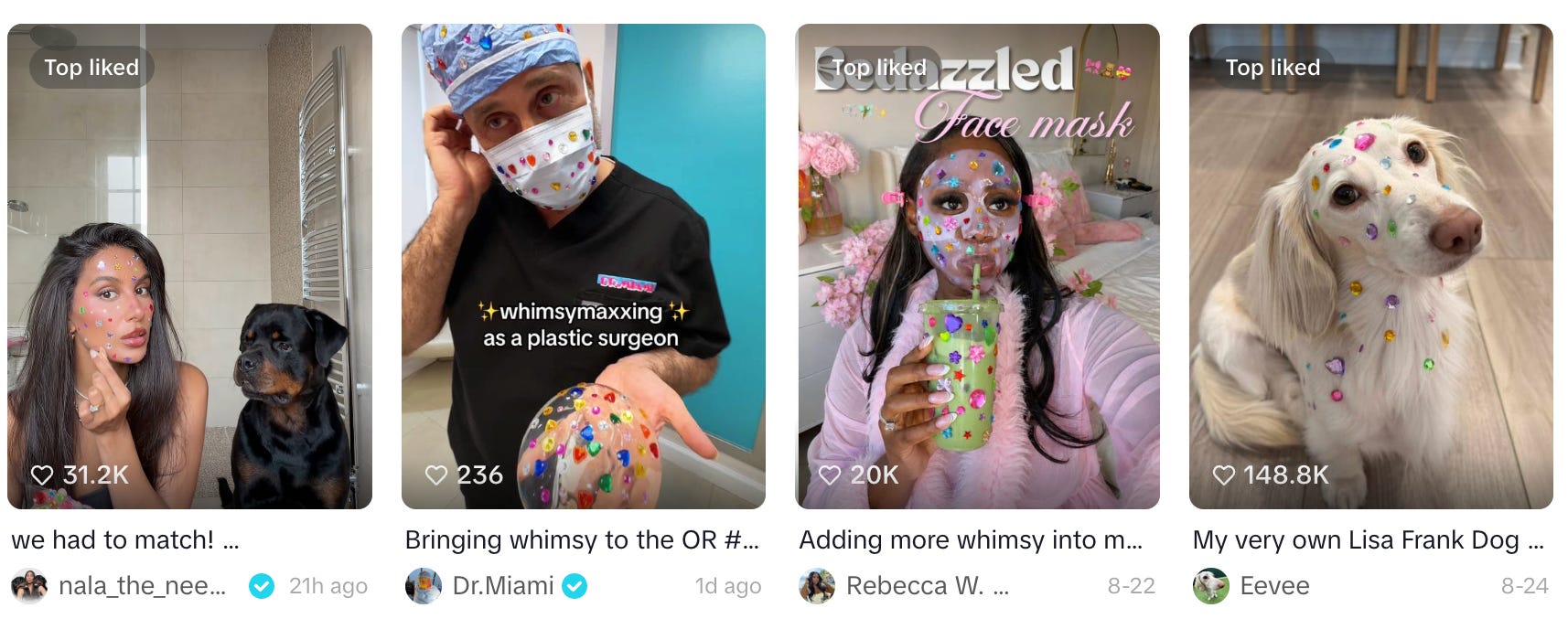
Now, with the viral “kind of chic to…” trend shifting the focus to a new buzzword, “chic” is suffering the exact same fate: diluted by ubiquity until its meaning is lost entirely.
Chic, by definition means “smart elegance and sophistication especially of dress or manner.” But when people were using chic to describe anything from their reading habits to their morning toast, it’s now viewed as yet another indicator of online brain rot that is genuinely angering people.
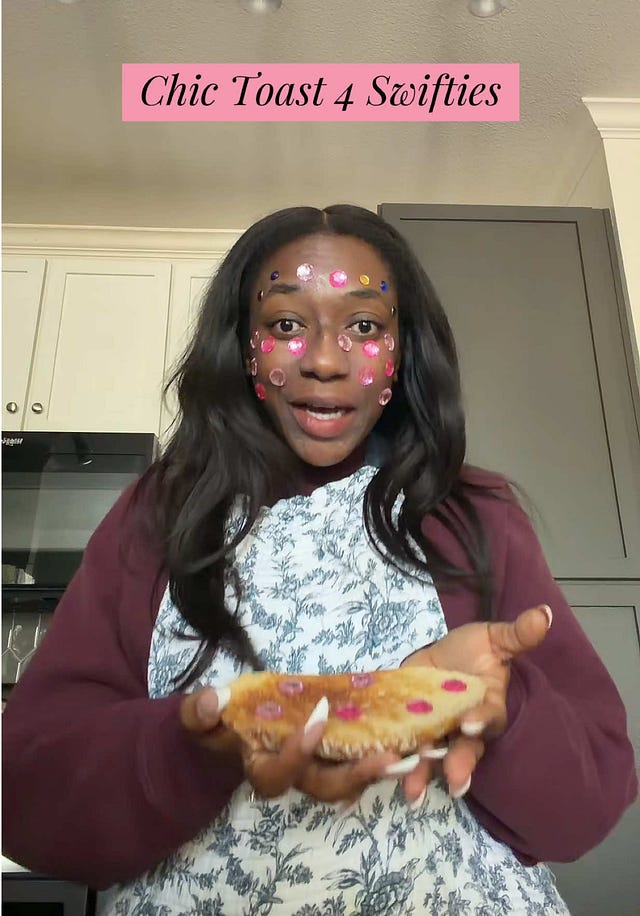 Tiktok failed to load.
Enable 3rd party cookies or use another browser
To be Normal is to be Free
The public’s growing rejection of influencers and internet culture has made being a “normal” person more marketable than ever—now an “average” attendee at major festivals or the US Open is the one winning online. While socioeconomic tensions continue to surge, and the lifestyles of influencers and celebrities have turned from aspirational to grating, there is a serious appetite for the public to find community and influencers online that feel relatable to them. To watch influencers you once related to adopt lifestyles that feel increasingly out of reach, people are turning to those online who toe the line between aspiration and relatability; looking for people who feel grounded in the same reality they experience.
How this shows up on social:
This hunger for relatability has become the breeding ground for a collection of trends that bring vulnerability and relatability to creators. The “FYP is too local” aversion is now a welcomed phenomenon as people find community “holding it down” in their local city or hometown, when it feels like everybody else is living lavish lifestyles in LA or NYC.
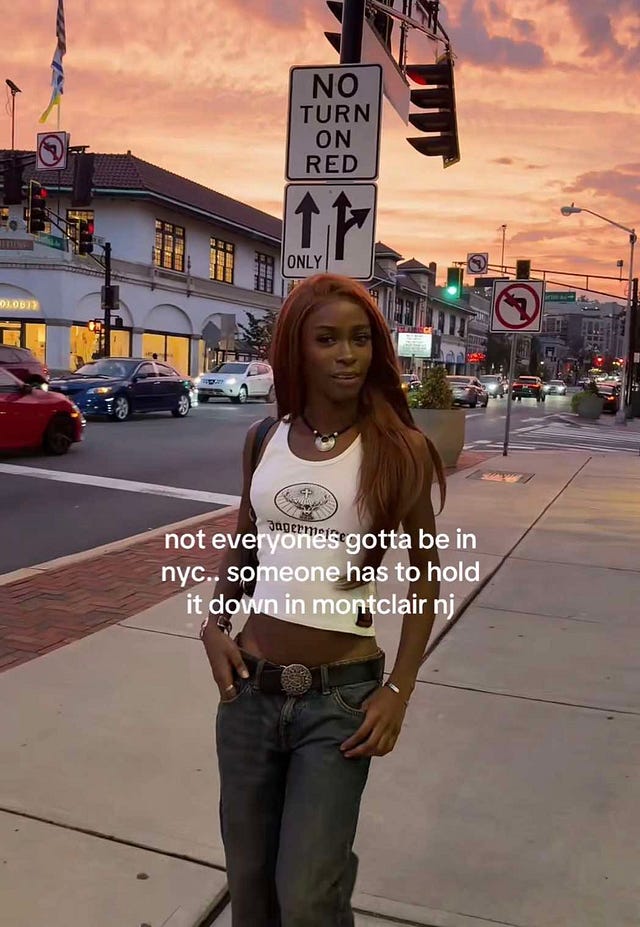 Tiktok failed to load.
Enable 3rd party cookies or use another browser
And if they aren’t holding it down in their hometown, they are finding other ways to bring this relatability back to their pages, whether it be admitting their recent flops, giving people reasons to unfollow them, or sharing what makes them interesting. The myriad of trends popping up surrounding relatability serve as a clear call to influencers and “regular” users alike that acting like a “normal” person goes farther in 2026 than it ever did.
Internet Inside Jokes
Just when the discourse feels too lofty and the world feels overwhelmingly serious, the internet naturally clings to moments that feel like the OG internet: pranks, silly inside jokes, and petty third party dramas. Vine, Reddit rabbit holes, and Youtube prank videos are the simple internet days of the early aughts, and when conversation online feels heavy and heated, the internet latches onto new, outlandish trends and conversations to relive that stupid joy the internet once was filled with.
The same way that people were passionately backing their pick for the 100 people vs 1 gorilla fight and telling their unassuming dad that they could eat their high school best friend while everyone was bracing for a possible recession, we are seeing another wave of silly debates and question swapping pranks breaking up heavy feeds.
How this shows up on social:
Chanty Beluga is the new internet it-girl. The alter ego(?) of comedian and actor Courtney O’Donnell, Chanty Beluga has figured out how to be spotted and spoken about everywhere– somehow always having her first and last name dropped in the process.
Chanty hit feeds on August 9th, and has already amassed millions of views and 124k followers on TikTok, creating an inside joke among the internet that is equally silly as it is a fun reprieve . While Chanty is a woman with a silly name and virtually nothing else to offer, it’s the vagueness that allows followers to build their own story and connection with the character, letting the joke get even deeper in the comment sections.
If you weren’t immersed in Chanty Beluga’s escapades, it’s probably because you were distracted by the Oreogate drama. The TL;DR on Oreogate: a series of 13 videos covering the mother of a girl named Ava entering a text chain to ask other moms not to send Oreos in lunchboxes because Ava isn’t allowed to have them, and was experiencing lunch-envy. The conversation went viral, with the first video accruing over 12 million views and garnering major conversations and coverage from news outlets like Adage and the NYT, pediatricians, and parenting resources.
After everyone began talking about Oreos and defending the mothers who sent them to school, the moment turned out to be a covert campaign for Suno, a generative AI music app. While Oreos were the accidental winner of this campaign, it was a lesson in online content that, as Christina Garnett points out, that brand content has to keep up with consumers who are getting tired of seeing every trend as they scroll. Through the use of petty drama that brings out inconsequential debate, episodic content that built investment into the story, and organic infusion of a brand, it creates a moment of real virality that sticks with viewers longer than a paid ad.
There is something to be said about what happens when these organic-feeling moments are revealed to be or become brand moments. The first spon-con posted by Chanty Beluga was immediately met with disdain– with comments saying “it’s already over” and that she “sold out”. And, when generative AI is making it harder to tell what is real and what isn’t online, the immediate question people had following Oreogate for Suno had nothing to do with their product, but wanted to know if the mom chat was ever even real.
The bottom line? Consumers are exhausted. They’re burnt out on the illusion of everyday life being a luxurious, brand-sponsored activation. And when every event feels like it’s been reduced to a photo op and experiences are rebranded as a soulless, monetizable aesthetic, users tune out en masse.
Similarly, when their favorite internet joke or influencer crosses from relatable and community-oriented to something that feels like it was commandeered by the corporate machine, audiences feel a genuine sense of loss for the organic joy it used to bring.
The rug pull of those invested in the messy, silly moments online, paired with the rise in relatable content featuring “normal” people is telling of what people are really craving online: genuine moments of humanity that feel grounded in their reality.