


Welcome to Neuewave!
First, we have a LOT of thank-yous to give out. This last month, we had the honor of hosting a collection of events at Advertising Week New York, including our very own game show, If I May Ad!
First, thank you to everyone who visited us at Advertising Week, and an even bigger thank you to the incredible contestants of our game show! Lastly, thank you to The Clios for highlighting the show and how it’s helping educational charities.
We had an absolute blast seeing the show come to life and chatting with other great minds in our industry in between. If you missed it, don’t worry, you can watch all the episodes on our LinkedIn!
For this edition of Neuewave, where we dive deep into the cultural drivers and science behind online conversation, the narrative that is taking shape is focused on how growing tensions between technology and lifestyles are actively reshaping culture, and leaving room for hope to find its way in.
Let’s dive in!
Tension of Optimization
As you scroll, your feed is constantly contradicting itself. A video about touching grass is followed by an Oura Ring hack, then a “wellness darty” followed by a video essay on the harms of wellness culture. One minute, people are celebrating the folding phone; the next, they’re criticizing it. A tutorial on using ChatGPT to make your life easier is followed by a warning about the dangers of relying on it.
As quickly as you can find a video telling you to optimize your life, you can find another encouraging you to slow down, take the long way, and embrace old technology.
Gen Z is especially susceptible to optimization culture, facing pressure to make the most of the vast amount of information, tools, and resources available to them. Yet, just as more people embrace highly optimized lifestyles and products, an equal and opposite force is emerging: a desire to take the harder, slower, and less “optimized” path.
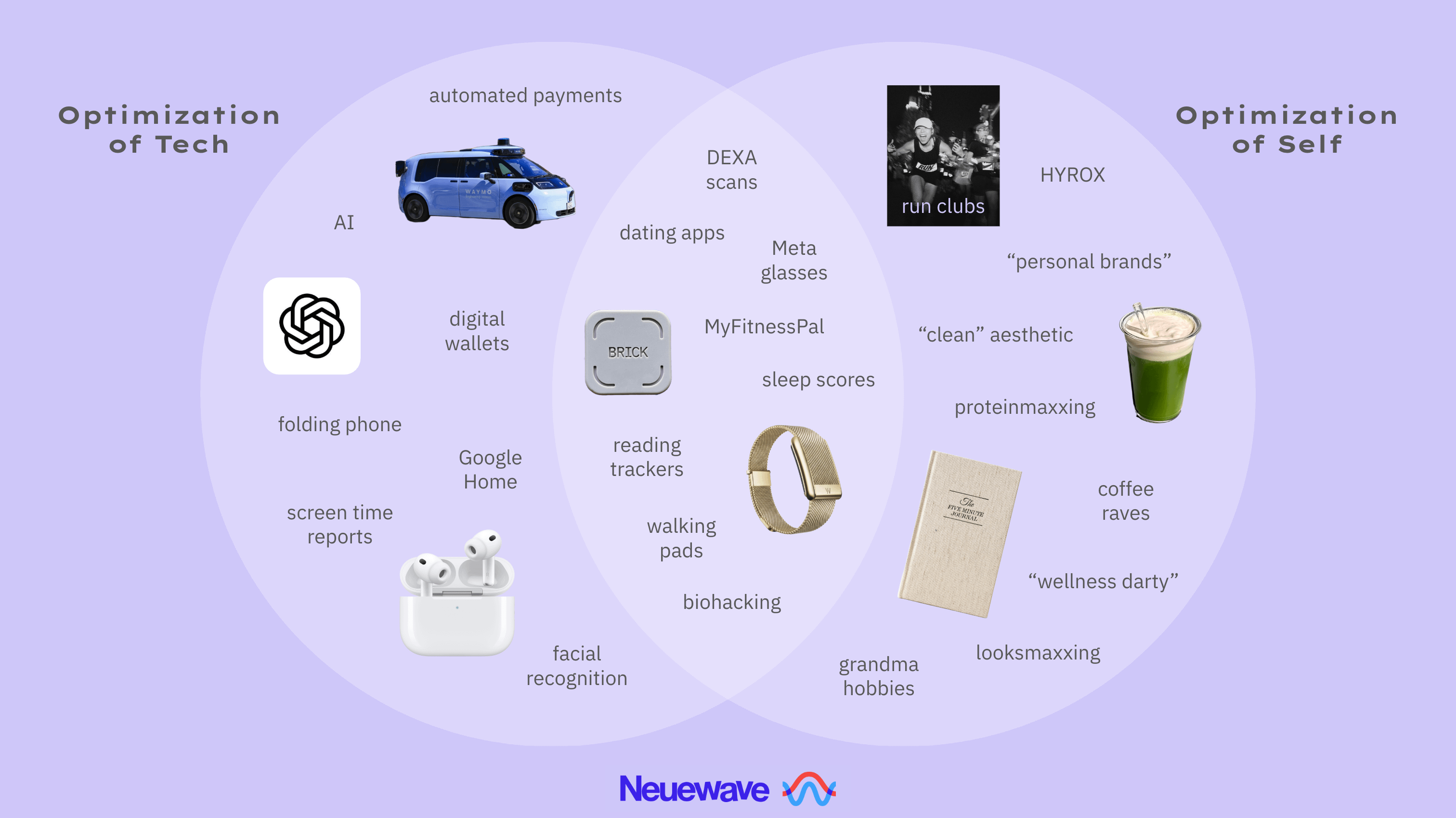
Modern optimization culture can be understood through a Venn diagram, with the optimization of technology and the optimization of self overlapping in the middle. Across all three areas, we see both embrace and refusal: the pursuit of greater efficiency and control, alongside a growing desire to resist it.
How this shows up on social:
Optimization of technology feels nearly ubiquitous. AI continues to maintain its controversial reputation, with “f*ck AI” trends and remixes of popular trends mocking those who use it, filling the same feeds where young people share LLM tips and AI-generated photo trends.
But tech optimization extends beyond AI. It shows up in the embrace of wired headphones over AirPods, as well as the rejection of the folding phone alongside a simultaneous yearning for the flip phone (more on that later).
When it comes to self-optimization, wellness culture remains a controversial topic. Amid the “Ozempidemic,” individuals are pushing back against wellness culture just as much as they’re embracing it.
With the school year back in full swing, party culture and wellness culture have gone head-to-head online. A viral video from Alabama State University showed college students trading traditional party activities for a “wellness darty.” Instead of keg stands and beer pong, the event featured group runs, yoga on the lawn, and cold plunges.
Online, many felt wellness culture had finally gone too far, sparking impassioned responses that reminisced about the unhinged activities people got up to in college.
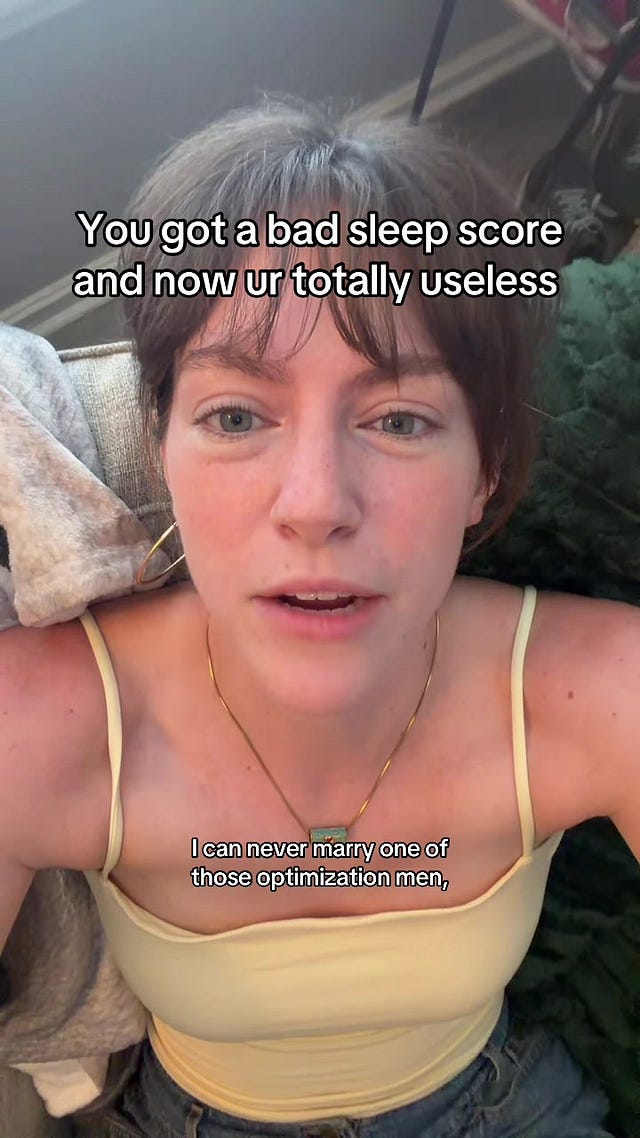
When combined, self-optimization and tech optimization create a culture of self-surveillance, where behavior tracking feeds both pursuits. But as the drive to optimize every aspect of life intensifies, alarm bells are ringing online, with growing concerns that wellness culture is turning us into boring, annoying, and even bad friends in the process.
 Tiktok failed to load.
Enable 3rd party cookies or use another browser
Overall, this dichotomy reinforces an existing tension between embracing progress and preserving friction where it matters. As AI has taken off, displays of effort and craftsmanship have continued to garner attention. From Apple TV’s fully practical logo update last year to The Odyssey being celebrated for its rejection of AI and embrace of practical effects, it’s clear that the act of creation can, in itself, become art.
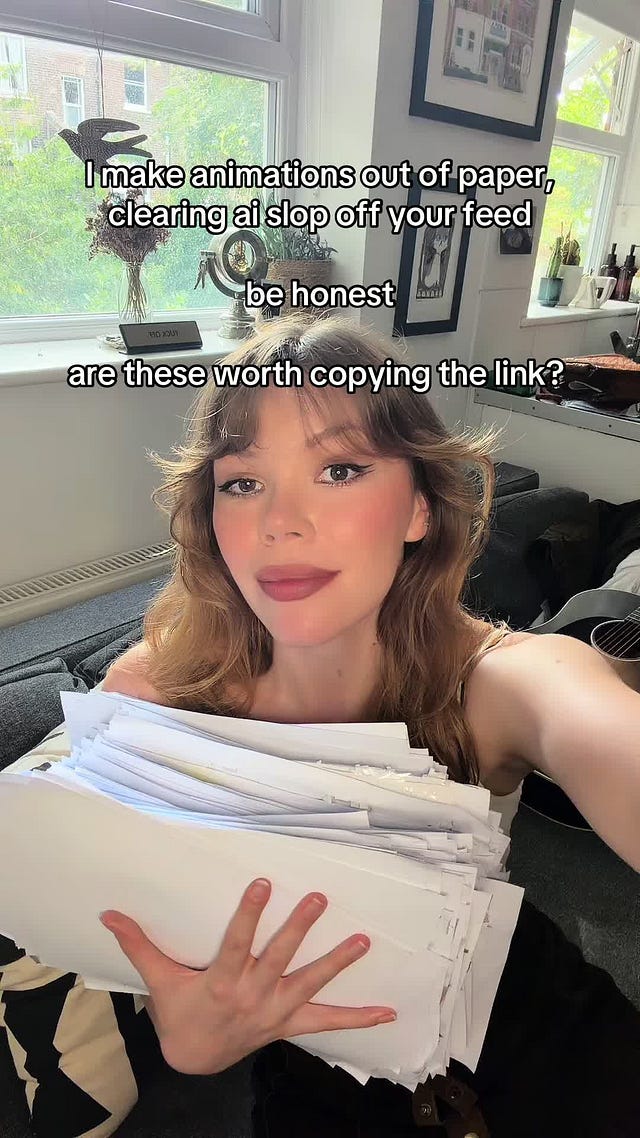
This sentiment is reflected in creator content, too, where the process of making something becomes as compelling as the finished product. Musician and artist Rachel Croft has amassed more than 3 million views on her paper-cutout music videos, showcasing the process and results of creating each frame by hand. Her work underscores the craving for human craftsmanship over AI slop, and appreciation of friction in the process.
 Tiktok failed to load.
Enable 3rd party cookies or use another browser
Anti-Phone Propaganda
It really is these damn phones, isn’t it?
As people push back against optimization culture and try to limit their screen time, brands and celebrities are finding new ways to encourage them to unplug and live in the moment.
Pinterest recently launched its first product collaboration with Emma Chamberlain: a limited-edition collection of picnic essentials and coffee blends inspired by Pinterest trends. The collection encourages people to get outside and offline, echoing a sentiment we highlighted in our 2026 Trend Outlook: rather than keeping people glued to their screens, brands can inspire and energize them to do something in real life.
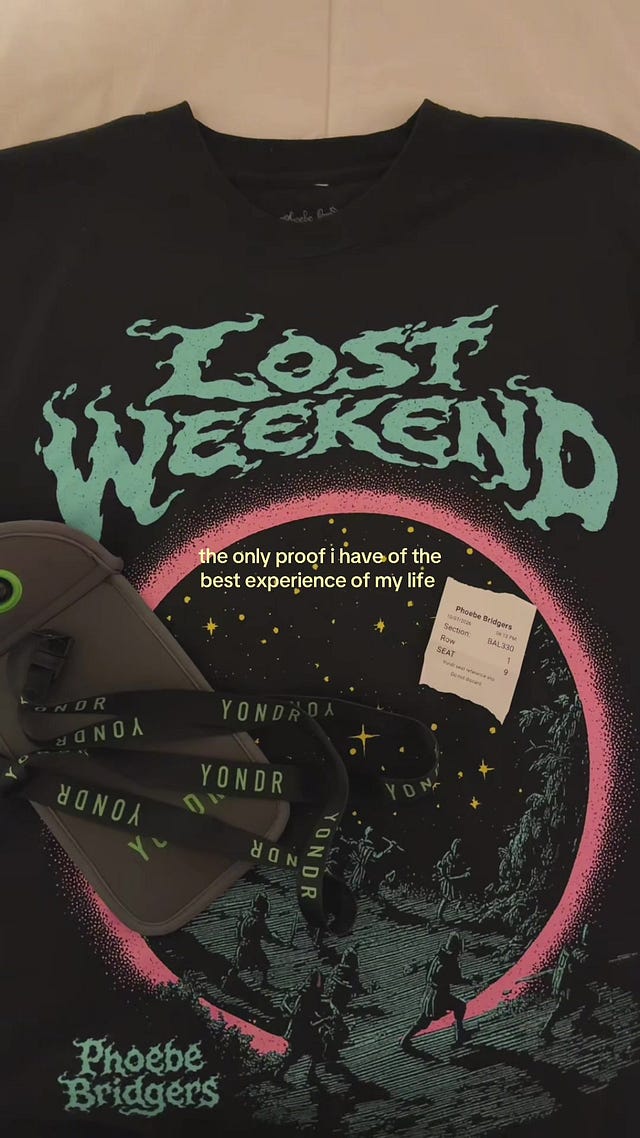
Similarly, Phoebe Bridgers’ ongoing tour has made waves with a no-phone policy at her shows, encouraging fans to be present in the experience. While some argue that paying for a concert entitles them to take photos, many fans seem to appreciate the opportunity to enjoy the show without a sea of glowing rectangles in the crowd, connecting with fellow fans without the distraction of their phones.
 Tiktok failed to load.
Enable 3rd party cookies or use another browser
How this shows up on social:
The urge to unplug remains a major topic online, where offline time is increasingly celebrated, and staying “bricked” for long stretches has turned into the ultimate digital badge of honor.
Even though studies reveal that tech use – screen time – explains less than one percent in variation of well-being among young users, the phrase “it really is that damn phone” has become a widely understood colloquialism where our phones are the cause of a collection of negative effects, like anxiety, depression, and difficulty focusing, that we need to actively fight against.
Our relationship with our smartphones has now become the ultimate toxic relationship, where we actively fight against it, while also not feeling like we can live without it. As people become more sick of their phones, a new wave of pre-phone preservation has begun sweeping socials, voicing frustration that everything needs your phone to exist, making it nearly impossible to separate from the phone the way people want to.
And of course, there is no phone conversation that can happen without mentioning the folding phones that hit the market from Samsung and Apple, and how quickly they have been slammed online.
The biggest miss (to us) was making it fold hot-dog style—creating an oversized mini-iPad rather than a hamburger-style fold to tap into Y2K flip-phone nostalgia. Instead, they just made something that nobody asked for. As one online commenter put it, it is the “cybertruck” of cell phones: proof that tech innovation is increasingly met with skepticism from consumers who have no desire to spend even more time with their phones.
Gen Z Optimism
Gen Z has long been associated with pessimism. Dark humor, doomscrolling, and heightened anxiety and cynicism about the future have become defining features of the generation’s identity. But by the end of 2025, we saw this begin to fizzle out, as outright negativity gave way to apathy and emerging trends suggested that Gen Z was beginning to prioritize joy in the things that matter and say “girl, whatever” to the things that don’t.
Throughout 2026, as Gen Z led the yearlong romanticization of 2016, its perception of millennials began to shift, too. A generation once considered cringe is now the object of envy for the optimism it carried into its teens and twenties.
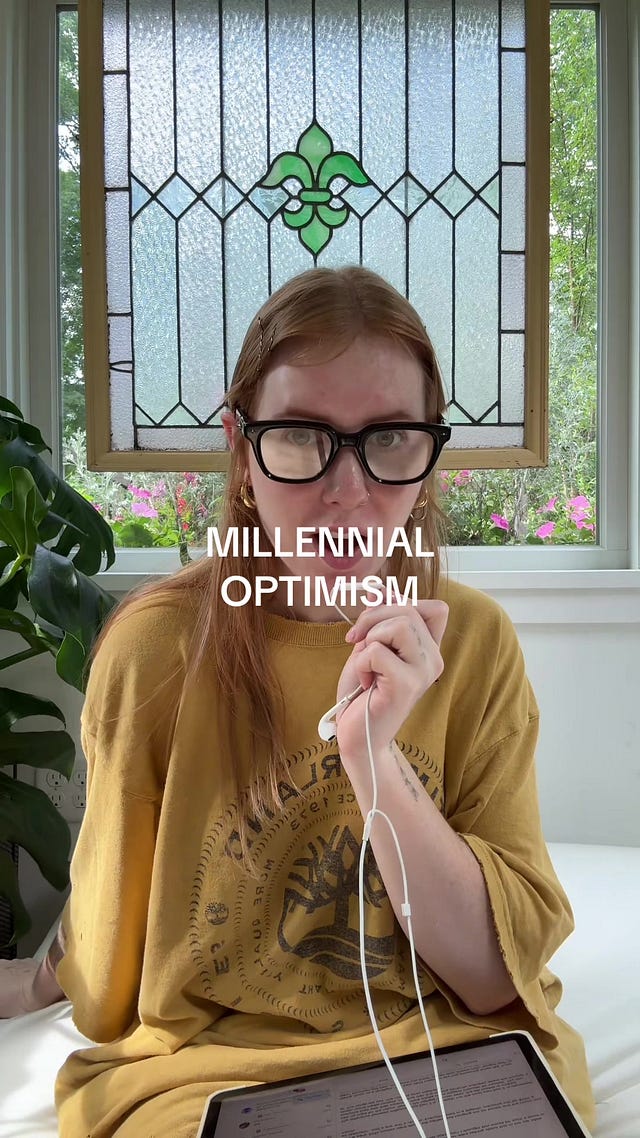
Now, as Gen Z enters the same stage of life millennials occupied in the 2010s, they are making a concerted effort to embrace a more millennial attitude. “Millennial optimism,” rooted in Obama-era hope and the post-recession joy of the 2010s, has become something to aspire to, as Gen Z navigates its own difficult transition into adulthood. As explored in Forbes, this nostalgia for optimism reflects a desire to approach an uncertain future with a little more hope.
 Tiktok failed to load.
Enable 3rd party cookies or use another browser
How this shows up on social:
As Gen Z has spent the year channeling Millennial Optimism, from highlighting 2010s pop that makes people feel a euphoric hopefulness, embracing 2010s technology (hello wired headphones), and manifesting a 2016 summer, it’s time for Gen Z to start dubbing their own brand of “Gen Z Optimism.”
But, where is Gen Z finding their hope right now?
Gen Z is actively cultivating optimism by hunting down evidence of a brighter future– especially where it directly counters the issues weighing on their shoulders the heaviest. In an era marked by political stagnation and an increasingly toxic digital landscape, a wave of hope took root when young people rallied online behind Zohran Mamdani. His ongoing digital presence continues to serve as a recurring touchpoint for genuine hopefulness that the future isn’t all bad.
Similarly, as conversations around systemic misogyny resurface—serving as a stark reminder of how much work remains—they are throwing their energy behind moments that signal progress and elevate women, from Olivia Rodrigo’s all-women Daisy Chains Festival lineup to the meteoric rise of women’s sports as Gen Z beloved athlete Angel Reese takes the stage for her first Finals series.
Additionally, Gen Z optimism is finding inspiration from the OGs, by taking Millennial Optimism and making it their own: embracing wholesome reality shows like Dancing With the Stars, to emerging Gen Z artist Daine doing a cover of Millennial Optimism anthem “Hello”, the leading sound in the Gen Z Optimism trend sweeping across TikTok, making her the “CEO of Gen Z Optimism”, according to her comments.
As Gen Z Optimism continues to permeate, Gen Z will continue to find it in increasingly small ways. Whether it be the music they party to, or realizing that the prospect of home ownership isn’t really for them anyway, Gen Z is continuing to find ways to see the silver lining in even the darkest moments, hopefully serving as an indication of a cultural hopefulness we’ve all been waiting for.
Dare I say, this month’s round up felt… positive?
Even in a digital landscape rife with tension and heated discourse, Gen Z’s perspective remains stubbornly hopeful: friction at least proves people still care enough to fight for what matters.
For brands, Gen Z is screaming what they value as they actively try to preserve what is meaningful to them—protecting their autonomy, choosing to unplug, and actually being able to savor life.
As Gen Z shifts their perspective to embrace optimism over cynicism, the most powerful way to connect with online audiences isn’t to pull them deeper into their screens, but to inspire them in their real lives. Be the voice that helps them look up, not the reason they bury their heads in their devices.