


Welcome to neuewave!
Super Bowl Sunday gives a rare opportunity to marketers and brands: a day where people don’t mind being marketed to. A moment when your commercial has the potential to be the star of a sporting event you don’t even have to play in. However, the sentiment online (and internally) is that the ads this year left much to be desired. Overall, our team felt that the collection lacked creativity, memorable moments, and relied too heavily on celebrity star power versus original ideals and well-executed scripts.
While we know making a Super Bowl commercial is no easy feat, the inundation of AI, GLP-1s, and sports betting ads felt like signs of the times rather than the beloved fun that Super Bowl ads are known for.
While we assume the highlight of your Sunday was the Bad Bunny Halftime Show, the Seahawks securing another Lombardi Trophy, or bursting at the seams from too much buffalo chicken dip— there were still some ad diamonds in the rough, and for this month’s trend report, we polled the neuemotion team to get their take on what hit and what we can learn going forward.
🦅 Budweiser “American Icons”
Budweiser is a Super Bowl legacy brand, and they brought it this year with their American Icons spot. Their Clydesdale horse, which many consider a Super Bowl centerpiece, and an American bald eagle bridged the gap between heartwarming, cute, and humorous. The message was clear, and the brand’s icons resonated, even as tension persists within the country. Cutting back from the commercial to the live broadcast, seeing the Clydesdale horse with a bald eagle on its back live at Levi Stadium was a clever carryover between their spot and the main event, without having to put anything on social (which they notably didn’t).
The Lesson:
Budweiser knows who they are and stuck to it. Leading with authenticity and positioning American icons that we could all recognize, connect to, and root for deeply resonates when our media landscape is often chaotic and quickly evolving.
🍌 Instacart “Bananas”
Instacart’s spot featuring Ben Stiller and Benson Boone was a neuemotion favorite for three big reasons.
1. It brought some of that outrageous, goofy Super Bowl spot humor that we know and love, which, as we said, felt missing from many of the ads this year.
2. While many Super Bowl commercials feature big-name celebrities, this one felt like the celebrities were picked with purpose, actually playing to the celebrities’ personas and strengths to connect to a fun concept that didn’t feel forced.
3. The value prop was clear and connected to a common struggle shoppers deal with when using grocery delivery apps: “Am I buying 3 bananas, or 3 bunches of bananas?”. While a simple concept, it resonates with their customers’ biggest struggles and communicates how Instacart alleviates this pain point.
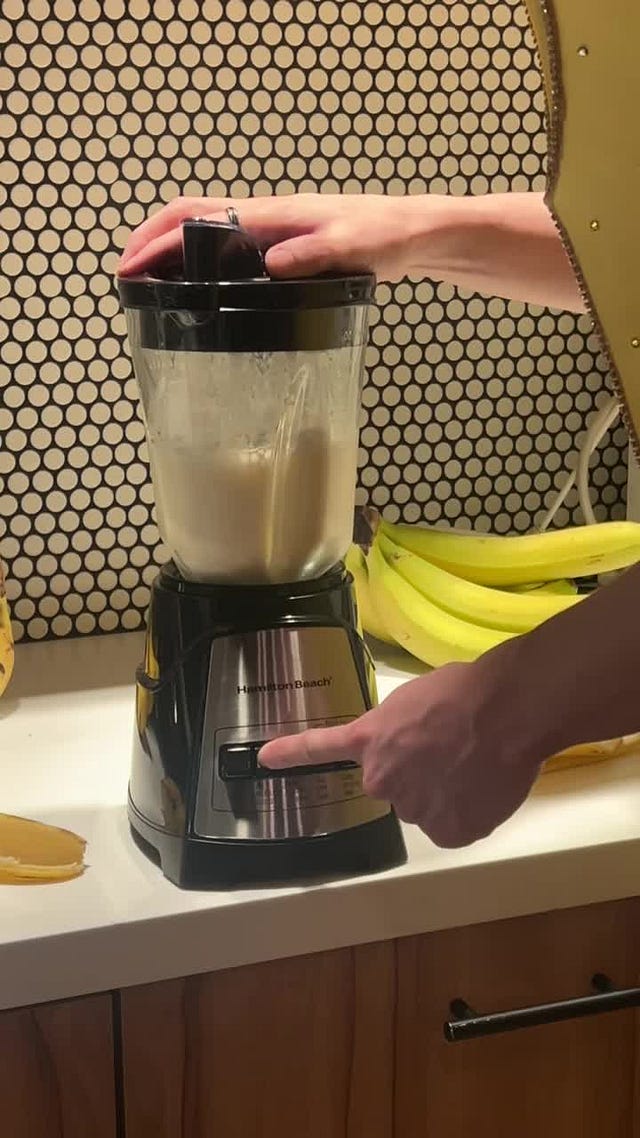
On social, they leaned into the “banana” joke with UGC-style content, featuring many, many bananas, turning a center stage moment into an inside joke for their social following, leaning into the element of: IYKYK.
 Tiktok failed to load.
Enable 3rd party cookies or use another browser
The Lesson:
The story you’re telling and the problem you are solving for your audience is king. When every Super Bowl ad has a big name reading the lines, star power isn’t enough to make a campaign resonate. The celebrity may grab attention, but how you insert those personalities into the broader story to bring real value to your audience is what makes an ad sticky beyond Super Bowl Sunday. Plus, they did more than just reformat the spot and repost it on social. They created an extension fit for the platform rather than trying to recreate the magic of the spot in 9x16.
🦕 Xfinity “Jurassic Park… Works”
While I was baffled to see not one, but two ads that CGI’d celebrities to look younger, this ad was a neuemotion favorite. Aside from the effects, there was a familiar and frequent brand formula– using nostalgia and beloved IPs, while inserting a brand into a story we know and love.
When we compare the Xfinity ad to Dunkin’s equally CGI’d, IP-driven, nostalgic counterpart, “Good Will Dunkin”, it proves that more is not more. Slotting a brand into a beloved story still needs to feel authentic and thoughtful. Xfinity’s ability to undo all the carnage and trauma of the movie due to their apparent Wi-Fi power perfectly brought the brand value to the story in a way that felt natural– unlike every 90’s IP finding its way into Good Will Hunting, which also happened to be in a Dunkin’? And Tom Brady was there? While nostalgia is a powerful marketing tool, how you do it matters. When it feels disconnected, instead of a welcome connection to a familiar story, it can feel like a disjointed mash-up of nostalgia bait that makes people feel skeptical, not heard.
The Lesson:
With so much messaging about what the future holds, from AI to sports betting to weight loss drugs, inserting familiar stories into modern life continues to matter and captivate audiences. We love nostalgic brands because it makes us feel connected back to our roots, and bringing this feeling of grounding and comfort to new avenues is going to be key for audiences this year.
🚽 Liquid I.V. “Take a Look”
We dare say that the Liquid I.V. spot might have been the most underrated of the night. As a team, we haven’t seen many publications or marketers talk about the Liquid I.V. spot, but our founder, Ted Harrison, noted that, “it’s the ONLY commercial I got texts about from friends not in marketing. It actually did the job it was supposed to do.”
Why? It was fun, cheeky, led with a unique insight that an audience can immediately understand, and that we haven’t seen another electrolyte or sports drink brand take before, making it a standout among the sea of same we felt while watching the spots.
Since its release, the Liquid I.V. brand handles have been active, following the conversation on their Super Bowl spot and commenting on seemingly every video they see, creating more engagement for the spot and between users.
The Lesson:
Today, consumers are constantly being marketed to, which means your content needs to have vision and demonstrate novelty in the sea of sameness. While clarity is important, perhaps we need to give consumers more credit; They can read between the lines of a message. Liquid I.V. could have done what the other ads did: “this is the product, and this is what it does!”, but instead, they worked from an insight, a shared experience, and a fun execution to deliver something both novel and relatable.
While many brands spent millions on nostalgia and celebrity cameos, the ads that actually landed were those that told a fascinating narrative that tapped into shared understandings, genuine emotion, and real problems consumers face.
The perceived usefulness that these spots feature stands out especially among the myriad of AI commercials we saw on Sunday from the likes of Anthropic, Google, Amazon, and OpenAI, where the AI industry as a whole struggles to demonstrate it’s utility to consumers.
The Super Bowl showed us that our gut has been right: story, context, and usefulness matter more than ever to consumers, and the brands that win today aren’t just the ones that grab our attention—they’re the ones that prove they belong in our lives and make it better.